San Onofre Symposium:
Nuclear Waste to Clean Energy
Held on August 20, 2026, at the Scripps Seaside Forum
About the EventA Landmark Day for Science, Policy, and Community
This event featured nationally recognized keynote speakers, expert panels, and a networking lunch, creating an unparalleled platform for dialogue.
On August 20, 2026, the Samuel Lawrence Foundation led the San Onofre Symposium: Nuclear Waste to Clean Energy. The symposium convened policymakers, scientists, researchers, business leaders, and community stakeholders to address both the unresolved challenge of spent fuel stored at San Onofre and the accelerating transition toward clean, safe, and affordable energy alternatives.
Event Highlights
Keynote Speakers & Fireside Chats
Nationally prominent figures in energy, science, and policy take the main stage for powerful conversations. Keynotes that highlight the human component of the energy discussion.
Expert Panels
Deep-dive sessions examining nuclear waste risk, clean energy solutions, policy reform, and tangible solutions — with real data backed by real experts.
Broad Discussions
Attendees spanning media, academia, government, and the public got to participate in Q&A, a networking lunch, and seaside reception creating a cross-sector dialogue for change.
The Conversations That Matter
View the Full Agenda 01
Power Policies and Energy Markets
Energy demands are increasing globally, and electricity costs are rising. Our panel of policy experts, energy analysts, and industry insiders separate energy fact from fiction and illuminate the rapidly changing renewables landscape. This panel will showcase the data, technologies, and capital expenditures driving the energy sector forward.
Speakers: Mark Z. Jacobson, Rob Wilder, Bob Keefe, Cole Ashman
Moderator: Nilmini Silva-Send
02Understanding the Risks at San Onofre
This panel will examine the unique risks that make San Onofre one of the worst locations to store nuclear waste. Panelists will discuss how seismic activity, sea-level rise, and enhanced saltwater corrosion pose challenges to long-term containment at the San Onofre site.
Speakers: James Day, Kim McCoy, David Weisman
Moderator: Mike Pasqualetti
03Solving the Waste Dilemma: Innovation, Monitoring, & Necessities in Spent Fuel Storage
Experts provide insights into the technological innovations of spent fuel storage and monitoring and what features any long-term spent fuel repository must incorporate. The panel will also touch upon international comparisons for long-term storage and how novel waste streams from small modular reactors and Generation 4 reactors might alter storage needs.
Speakers: Yang-Duan Su, John McCloy, Frederick Monette
Moderator: Greg Jaczko
04Solving the Waste Dilemma: Policy & Leadership
Policymakers and community engagement experts lay out the policies that will enable us to move the waste safely, and how the Nuclear Lifecycle Innovation Campuses might provide a bi-partisan opportunity to break the decades-long impasse.
Speakers: Congressman Scott Peters, Congressman Mike Levin, Carmen Valdez, Tim Kowalchik
Moderator: Hayley Smith
Welcoming Remarks
By Meena Wadhwa, PhD | Director of Scripps Institution of Oceanography and UCSD Vice Chancellor for Marine Sciences
Johnny Bear Contreras | Kumeyaay Cultural Bearer - Sculptor - Founder of the Eyaay Ahuun Foundation
and Bart Ziegler, PhD | President and Founder, Samuel Lawrence Foundation
Moderators
Nilmini Silva-Send, PhD | Professor, School of Law, University of San Diego
Mike Pasqualetti, PhD | Professor, School of Geographical Sciences and Urban Planning, Arizona State University
Greg Jaczko, PhD | Former Chair of the Nuclear Regulatory Commission
Hayley Smith | Journalist, LA Times
Speakers
Representative Mike Levin
District 49
U.S. House of Representatives
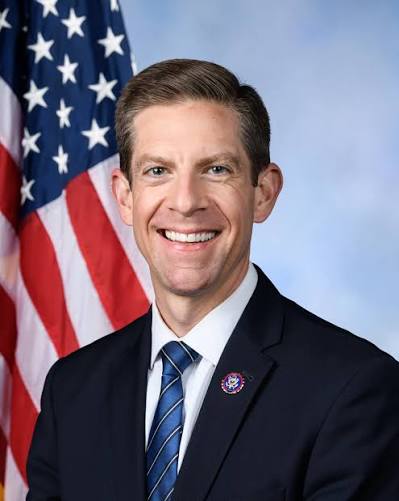
Congressman Levin is serving his fourth term representing California's 49th district. He sits on the House Appropriations Committee and is a leading congressional voice on nuclear waste safety. He founded and Co-Chairs the bipartisan Spent Nuclear Fuel Solutions Caucus and is a driving force behind efforts to move spent fuel out of San Onofre as safely and quickly as possible.
Representative Scott Peters
District 50
U.S. House of Representatives
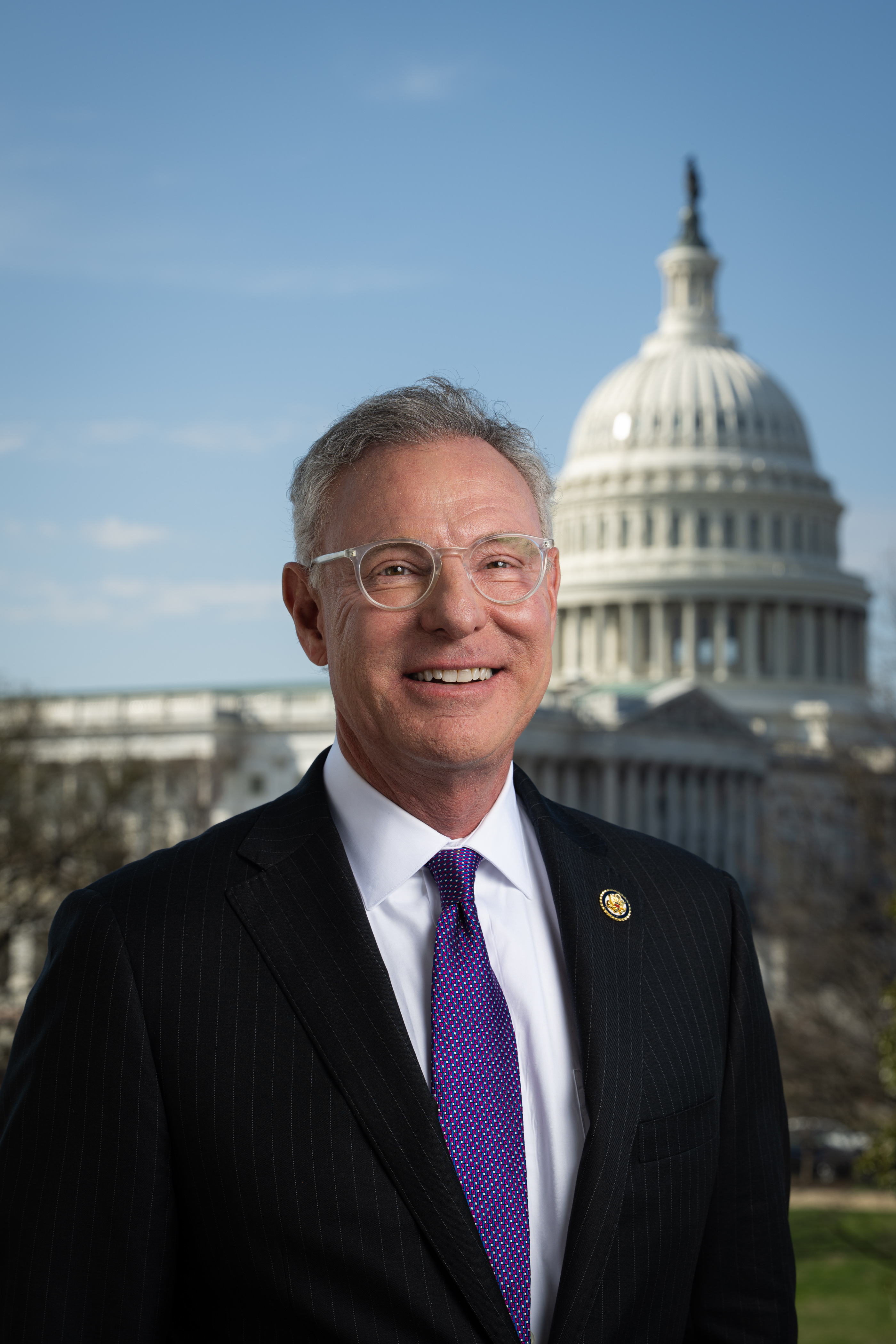
Congressman Peters has served California’s 50th Congressional District since 2012. He currently sits on the House Energy and Commerce Committee and the House Budget Committee. Representative Peters focuses on advancing practical and critical climate policies and understands that problems like nuclear waste require bipartisan solutions.
Yazan Alwadi, PhD
Postdoctoral Research Fellow
Harvard University
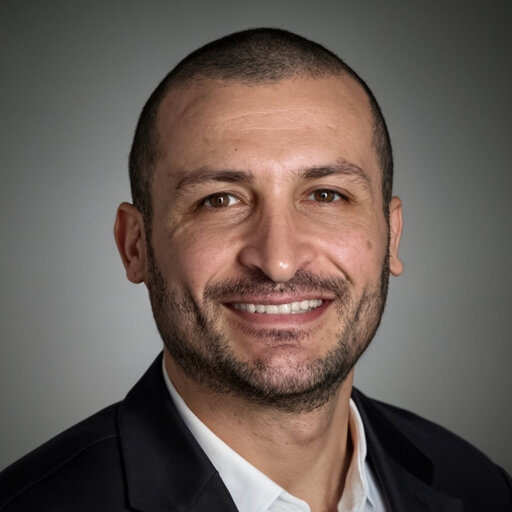
Yazan Alwadi is a Postdoctoral Research Fellow focused on the health effects of environmental exposures, including nuclear power plants. His work combines engineering, epidemiology, and biostatistics to address complex public health and energy-related challenges. Dr. Alwadi also spent a decade leading large-scale energy infrastructure projects.
Tina Cordova
Co-Founder
Tularosa Basin Downwinders Consortium
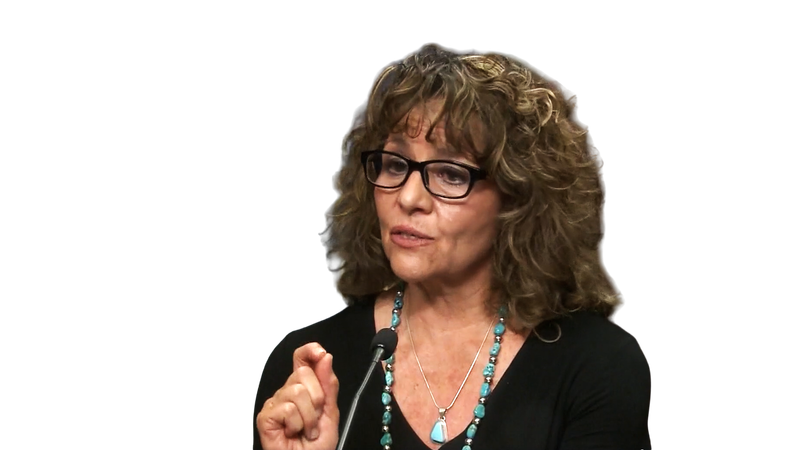
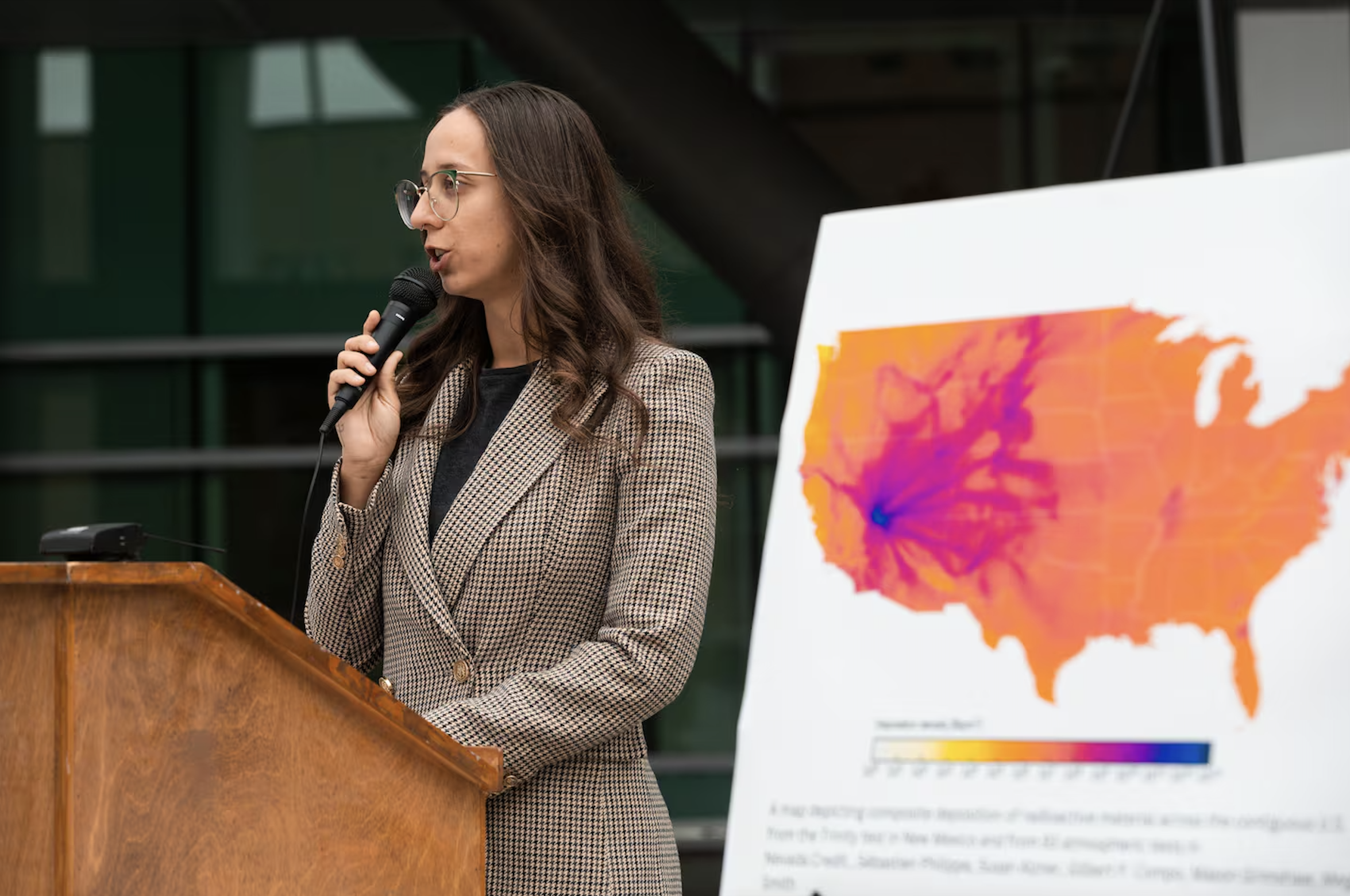
Tina Cordova co-founded the Tularosa Basin Downwinders Consortium to spotlight the health impacts people living near the New Mexico Trinity site face. She pushed for legislation that provided health care coverage and partial restitution to affected communities. Tina is a cancer survivor, the fourth of five generations in her family to have cancer since 1945.
Mark Z. Jacobson, PhD
Professor of Civil and Environmental Engineering
Stanford University
Mark Jacobson has dedicated his career to understanding climate problems and developing large-scale, clean, renewable energy solutions. He established roadmaps to transition countries, states, and cities to 100% clean, renewable energy. He explores the subject in his books: No Miracles Needed (2023) and Still No Miracles Needed (2026).
Rob Wilder, PhD
Clean Energy Innovator, Academic
Dr. Rob Wilder co-founded the first clean energy index on Wall Street and the first global clean energy investment theme, helping pioneer climate-focused investing. Last month the Fund tracking his Clean Energy Index had over $1Billion in trading. A Fulbright Senior Specialist and XPRIZE Foundation grant recipient, he has lectured at universities, published in scientific and policy journals, and makes frequent media appearances.
John McCloy, PhD
Washington State University
Dr. McCloy is Professor and Lindholm Chair in Materials Engineering at Washington State University. When he isn’t in the classroom, he is a joint appointee at Pacific Northwest National Laboratory, where his research helps to advance work at the Hanford site—developing glass formulations used to immobilize radioactive waste for safe disposal.
Bob Keefe
Author and Executive Director
E2
Bob Keefe is Executive Director of E2, the national nonpartisan network of business leaders advocating for a clean economy. He is also a 2025 TIME100 Climate honoree and is the author of Climatenomics (2022) and Clean Economy NOW (2024). His expertise draws on more than two decades as a business and environmental journalist.
Yang-Duan Su, PhD
Postdoctoral Associate
University of Pittsburgh
Dr. Su is a Postdoctoral Associate at the University of Pittsburgh and incoming Engineer at Sensible Photonics. His research on photonic materials and fiber optic sensing for energy infrastructure monitoring earned him a 2023 R&D 100 Award for a multi-parameter fiber optic sensor system for grid distribution transformers.
Cole Ashman
CEO
Pila Energy
Cole Ashman is the founder and CEO of Pila Energy, where he's built the first plug-in mesh home battery on the conviction that power shouldn't be a luxury. Pila provides accessible backup power for any home, including the millions of renters locked out of traditional energy storage. Before founding Pila, Cole helped build the Tesla Powerwall and led product at SPAN.
Carmen Valdez
Senior Policy Associate
HEAL Utah
Carmen Valdez is a Senior Policy Associate at the Healthy Environment Alliance of Utah (HEAL Utah), where she leads the radioactive and toxics campaign. She brings decades of nonprofit experience in human rights and advocacy, from grassroots to board membership, and holds a degree in political science and international affairs from the University of Utah.
James Day, PhD
Geologist
Scripps Institution of Oceanography
James Day is a professor at Scripps Institution of Oceanography at the University of California San Diego. Day is a geologist and geochemist whose research spans studies of the Moon, Mars, asteroids, terrestrial volcanism, and nuclear detonation.
Kim McCoy
Oceanographer, Author
McCoy is an oceanographer with expertise in coastal processes and instrumentation design. He has completed 40+ science projects including nine to Polar regions, and has extensive international science and geo-political knowledge. Honored with NATO's Scientific Achievement Award, he also authored 'Waves and Beaches: The Powerful Dynamics of Sea and Coast'
Tim Kowalchik, Phd
Director of Research
Utah Office of Energy Development
Tim leads technical research and policy analysis on nuclear power and the nuclear fuel cycle for State of Utah. His work focuses on bridging technical research and public policy to better understand complex energy challenges and emerging technologies. Tim holds a Ph.D. from the University of Utah, with a technical foundation in multiphysics modeling and advanced energy storage technologies.
David Weisman
Former Executive Director
Alliance for Nuclear Responsibility
David Weisman recently retired as Executive Director of the Alliance for Nuclear Responsibility, a utility ratepayer watchdog nonprofit, after a 21-year career advocating for nuclear safety. A key figure in the shutdown of San Onofre and the effort to retire Diablo Canyon, he wrote legislation adopted into California law and is also an award-winning environmental documentary filmmaker.
Fred Monette, MS
Executive Director of Environmental Health and Safety
University of Utah
Monette oversees occupational safety, biosafety, radiation safety, chemical safety, fire and life safety, and regulated waste management on both the academic and medical campuses at the University of Utah. He is a board-certified health physicist (CHP) with over 35 years of experience and serves as the Radiation Safety Officer for both the University of Utah and Weber State University.

%20(1).jpg)

.png)